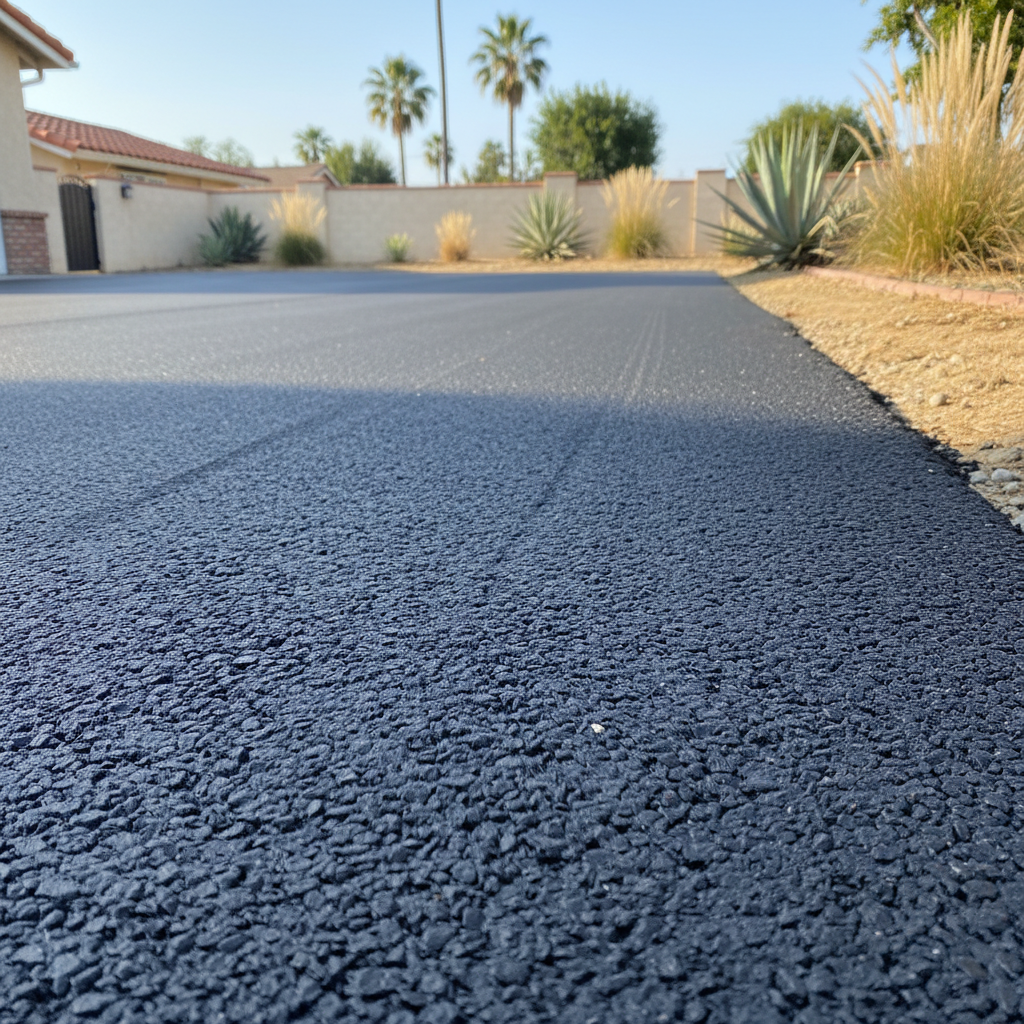
Most property managers and commercial building owners in Los Angeles treat their parking lots like an afterthought until a deep pothole wrecks a vehicle. If you are looking at a crumbling expanse of asphalt in the Valley or dealing with sinking spots near your loading dock, you need a realistic plan. Let us walk through what you actually need to know before, during, and after a commercial paving project so you do not waste your budget.
Before the Work Starts: Prep and Planning
You cannot just call the first company with a paving truck you see on the freeway. Los Angeles clay-heavy soils and hot summer heat mean your base needs to be very solid. Before any crew shows up, walk your property with a clipboard. Mark every crack, birdbath, and sunken drain.
Here is where you draw the line between doing the work yourself and calling a pro:
- Sweeping and clearing light debris? Totally fine to handle with your own crew.
- Core sampling, soil compaction tests, and engineering specs? Leave those to a licensed contractor.
- Pulling the right permits for commercial work in Los Angeles? Do not even try handling the LADBS alone; let your paving company handle it.
Pioneer Asphalt Co always tells property managers to map out traffic flow first. If your commercial tenants cannot get deliveries or customers cannot park, you are losing money before the first shovel hits the ground.
During the Pavement Process: What to Expect
When the heavy equipment rolls in, things get loud and messy. Good commercial contractors will work in phases so you never have to completely shut down your business. If you have a strip mall in Silver Lake or an industrial warehouse in Vernon, phasing is everything.
Your main job while the Asphalt Paving work is happening is communication. Keep your tenants and customers updated on closures. Watch out for proper drainage slopes as the crew lays down the hot mix—Los Angeles code is strict about runoff, and you do not want water pooling near your foundations. Make sure the rollers are compacting the edges properly because that is where commercial Asphalt Paving fails first under heavy delivery truck traffic.
After the Paving: Protecting Your Investment
The crew just packed up, and your new lot looks pitch black and very smooth. Do not go driving heavy trucks across the Asphalt Paving immediately. Fresh Asphalt Paving needs time to cure, especially when the San Fernando Valley heat is baking the pavement at over a hundred degrees.
Once the Asphalt Paving is fully cured—usually about 30 days—you need a maintenance routine. Sealcoating every few years keeps the UV rays from drying out the binder. Fill small cracks before the winter rains hit, because water getting underneath your commercial grade Asphalt Paving is a fast track to a full replacement.
You can handle sweeping and spot-checking for oil leaks from tenant vehicles. For homes and businesses in Los Angeles, Pioneer Asphalt Co provides Asphalt Paving services to keep your property safe and compliant.