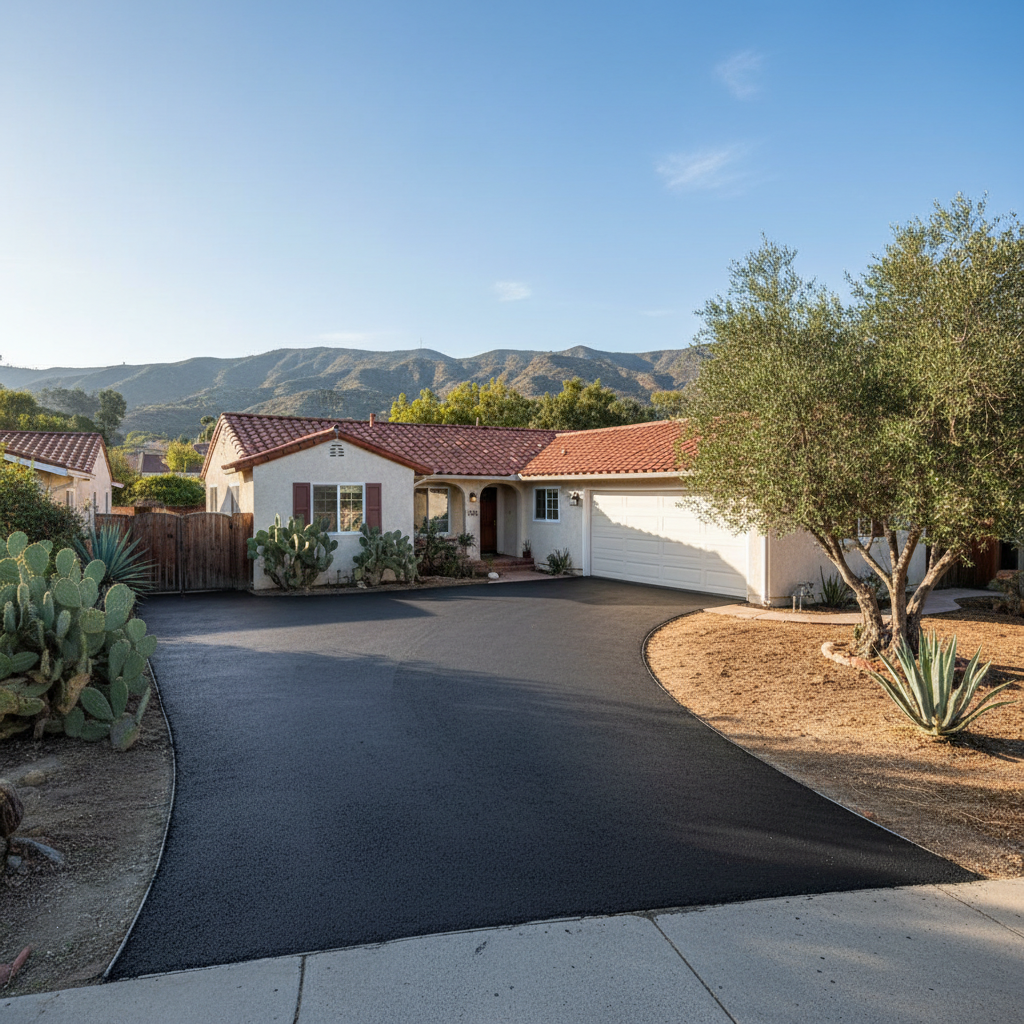
Got a cracked driveway or some potholes messing up your parking lot? Smart move thinking about getting that asphalt fixed. Ignoring these kinds of problems just makes them worse, and trust me, you don't want a small repair turning into a full-blown replacement down the line. But before you just pick up the phone and call the first company you see, let's talk about how to plan this thing right. It's not only about getting a quote; it’s about understanding the whole process so you know exactly what you’re getting into.
Your Asphalt Repair Timeline: What to Expect
So, how long does this whole thing actually take? There's no single answer, but I can give you a general idea. From your first call to a completed job, you're usually looking at a few weeks, sometimes more, depending on the job's size and the contractor's schedule.
- Initial Contact & Site Visit: You give us a call, and we'll set up a time to come out. This usually happens pretty quickly, within a few days to a week. We really need to see the damage firsthand to give you an accurate assessment and a fair quote.
- Quote & Contract: We'll get a detailed quote over to you, typically within a couple of days after our visit. Take your time looking it over. Once you're happy, just sign the contract.
- Scheduling the Work: This is where things can vary the most. Good contractors stay busy, especially during our long, dry season here in LA. You might wait anywhere from one to four weeks for your project to get on the books. We'll always give you an estimated start date.
- The Repair Work Itself: For most residential asphalt repairs – things like patching, crack filling, or small overlays – the actual work often finishes up in a single day. Maybe two for bigger areas. We're in and out efficiently, you know?
- Curing Time: This part is super important. After we finish, you can't just drive on it right away. Depending on the type of repair and the weather, you'll need to keep traffic off it for at least 24-72 hours, sometimes even longer. We'll give you clear, specific instructions.
What Happens During the Repair Process?
When our crew shows up, here’s a general rundown of what you'll see. We don't just slop some asphalt down and call it a day, not by a long shot.
First, we'll mark out the areas that need fixing. If it's a pothole or a really cracked section, we often cut out the damaged asphalt. This is called 'saw cutting' or 'milling' – basically, we're cleanly removing the bad stuff. Then, we'll get the base layer ready. This might mean compacting the existing sub-base or adding new aggregate if the foundation itself is weak. A solid base is crucial for a lasting repair, especially with the heavy clay soils we often see in places like the San Fernando Valley.
Next, we put down a tack coat. This is an adhesive layer that helps the new asphalt stick properly to the old. Seriously, don't skip this step; it's like glue for your pavement. After that, we lay down the new hot asphalt mix. Our crew spreads it out evenly, rakes it, and then compacts it with rollers. This compaction is super important for density and how long it'll last. We'll make sure the edges blend smoothly with your existing pavement. Finally, we clean up the site, leaving it tidy. And yes, we'll give you those curing instructions again before we head out.
How to Prepare Your Property for Asphalt Repair
You don't need to do a ton, but a little prep on your end helps things go smoothly and keeps our crew safe.
- Clear the Area: Move your cars, bikes, trash cans, planters, garden hoses, and anything else that's on or near the repair site. We need clear access, after all.
- Inform Neighbors: If the work might affect shared driveways or create some temporary noise, give your neighbors a heads-up. It's just good manners.
- Mark Sprinklers/Utilities: If you have any underground sprinkler heads, shallow utility lines, or invisible dog fences near the repair area, please point them out to us. We try our best to avoid them, but knowing exactly where they are helps us a lot.
- Plan for Access: Remember that curing time? You won't be able to drive on the repaired area for a bit. Plan where you'll park your car and how you'll get in and out of your house if the driveway is blocked.
Crucial Questions to Ask Before Signing a Contract
Don't be shy. You're hiring a professional, and you have every right to understand what you're paying for. Here are some questions I'd ask if I were in your shoes:
- What's your exact repair method? (e.g., cut and patch, crack filling, overlay, etc.) Make sure it matches what you discussed.
- What kind of materials do you use? (e.g., specific asphalt mix, tack coat type).
- What's the warranty on your work? Get it in writing. Here at Pioneer Asphalt Co, we stand by our repairs.
- How long will I need to keep traffic off the repaired area? Get a specific timeframe.
- What's included in the price? (e.g., material, labor, site prep, cleanup, disposal). Are there any potential extra costs?
- Can you provide references? And proof of insurance and licensing? Any reputable contractor will have these readily available.
- What's your estimated timeline for scheduling and completion?
- How do you handle unforeseen issues? Sometimes we uncover things once we start digging. How will they communicate and charge for that?
Asking these questions upfront saves a lot of headaches later. It ensures you're working with a transparent, professional contractor who really knows their stuff. Your asphalt is an investment, and planning properly means it'll last longer and look better.