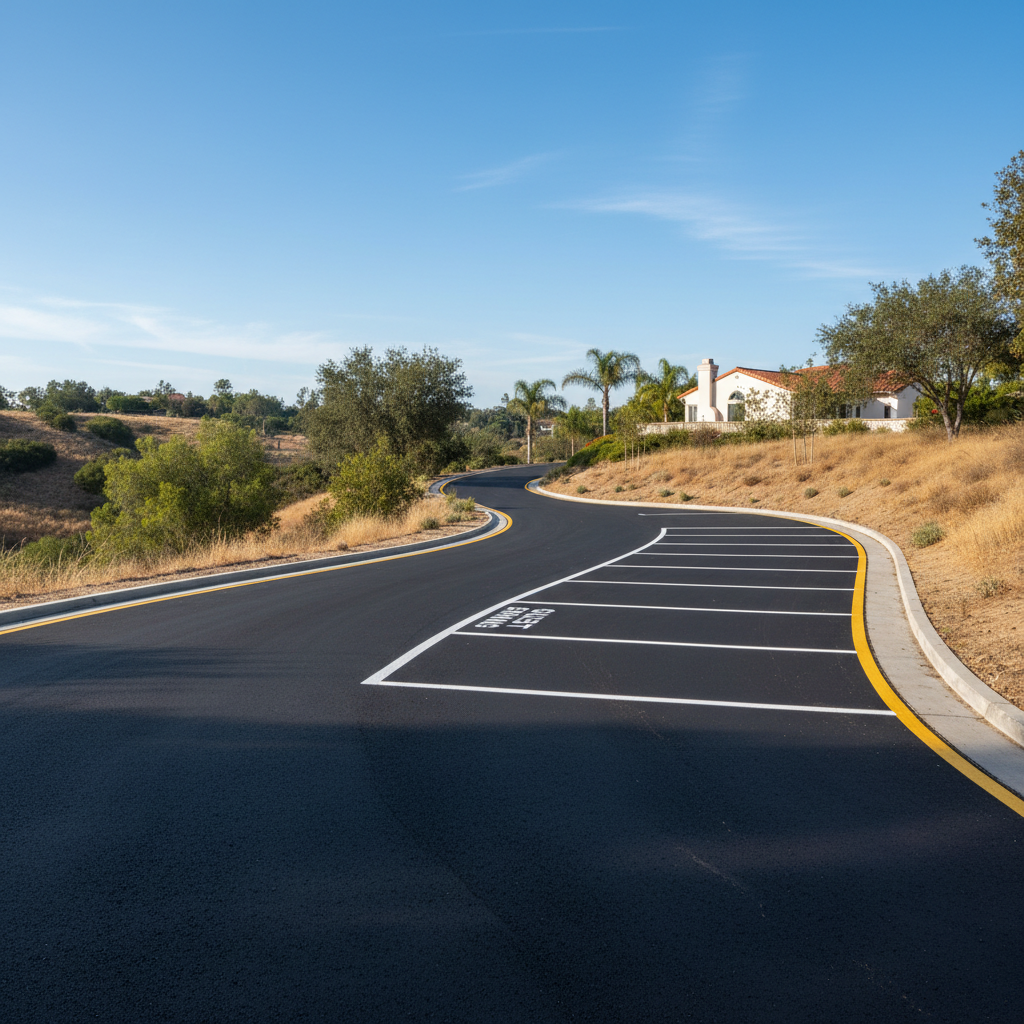
You've got a parking lot or a long driveway, and it needs striping. Seems simple enough, right? Just call a guy, he paints some lines, and you're good to go. Well, I've been doing this for years here in LA, and I can tell you, it's not always that straightforward. I've seen plenty of homeowners and property managers make some pretty common mistakes that end up costing them time, money, and a whole lot of headaches. Let's break down what to watch out for so you don't regret your asphalt striping project.
Ignoring the Prep Work
This is probably the biggest one. People just want lines on the ground, and they don't think about what's underneath or what's on top. If your asphalt is cracked, crumbling, or has a thick layer of dirt and debris, those fresh paint lines aren't going to stick for long. It's like painting over rust – it looks good for a minute, then it all peels off. Your contractor should be talking to you about cleaning the surface, maybe even filling cracks, before any paint touches the ground. If they're not, that's a red flag. A clean, smooth surface is key for paint adhesion and durability. Especially with our dry Santa Ana winds kicking up dust, that surface needs a good sweep and blow.
Going for the Cheapest Bid
Look, I get it. Everyone wants a good deal. But when it comes to asphalt striping, the cheapest bid is often cheap for a reason. Maybe they're using low-quality paint that fades in six months. Maybe they're skipping crucial steps like proper layout or surface prep. Or maybe they're not insured, which means if someone gets hurt on your property or they damage something, you could be on the hook. I'm not saying you need to pay top dollar, but do your homework. Ask for references, look at their past work, and make sure they're legitimate. Pioneer Asphalt Co. prides itself on quality, and that comes from using good materials and skilled labor, not cutting corners.
Not Understanding Paint Types
Did you know there are different kinds of paint for asphalt? It's not just one-size-fits-all. There are water-based acrylics, oil-based, thermoplastic, and even epoxy paints. Each has its own benefits and drawbacks, especially when it comes to durability, dry time, and cost. For example, a high-traffic parking lot needs something much tougher than a private residential driveway. If your contractor just shows up with a bucket of white paint and doesn't explain what they're using or why, you might end up with lines that wear out way too fast. Ask them about the paint, its expected lifespan, and how it handles our intense LA sun.
Poor Layout and Design
This is where things can get really messy. I've seen jobs where parking spaces are too narrow, fire lanes are blocked, or ADA-compliant spots are completely wrong. It's not just about aesthetics; it's about functionality and compliance. If your lot isn't laid out correctly, you could face fines, frustrated customers, or even safety hazards. A good contractor will have a plan, often using stencils and measuring tools to ensure everything is precise and meets local codes. They should be able to show you a diagram or explain their layout process. Don't just let them eyeball it.
Forgetting About Maintenance
Striping isn't a 'set it and forget it' kind of deal. Over time, even the best paint will fade, especially with the constant sun exposure we get here in places like the San Fernando Valley. Traffic, oil spills, and general wear and tear all contribute to deterioration. Many homeowners forget to factor in periodic re-striping. It's not something you need every year, but every few years, those lines will need a refresh to keep your property looking sharp and safe. Think of it like getting your car washed – it needs regular attention to stay in top shape.
Not Getting a Clear Contract
Always, always get everything in writing. What's included? What's not? What kind of paint are they using? What's the timeline? What's the warranty, if any? A vague verbal agreement is a recipe for disaster. A professional contractor will provide a detailed proposal and contract that spells out all the specifics. This protects both you and them. If they're hesitant to put things in writing, that's a huge warning sign. You want to know exactly what you're paying for and what to expect.
So, there you have it. Don't let a simple asphalt striping project turn into a headache. Do your research, ask the right questions, and don't be afraid to walk away from a deal that feels too good to be true. Your pavement and your wallet will thank you.