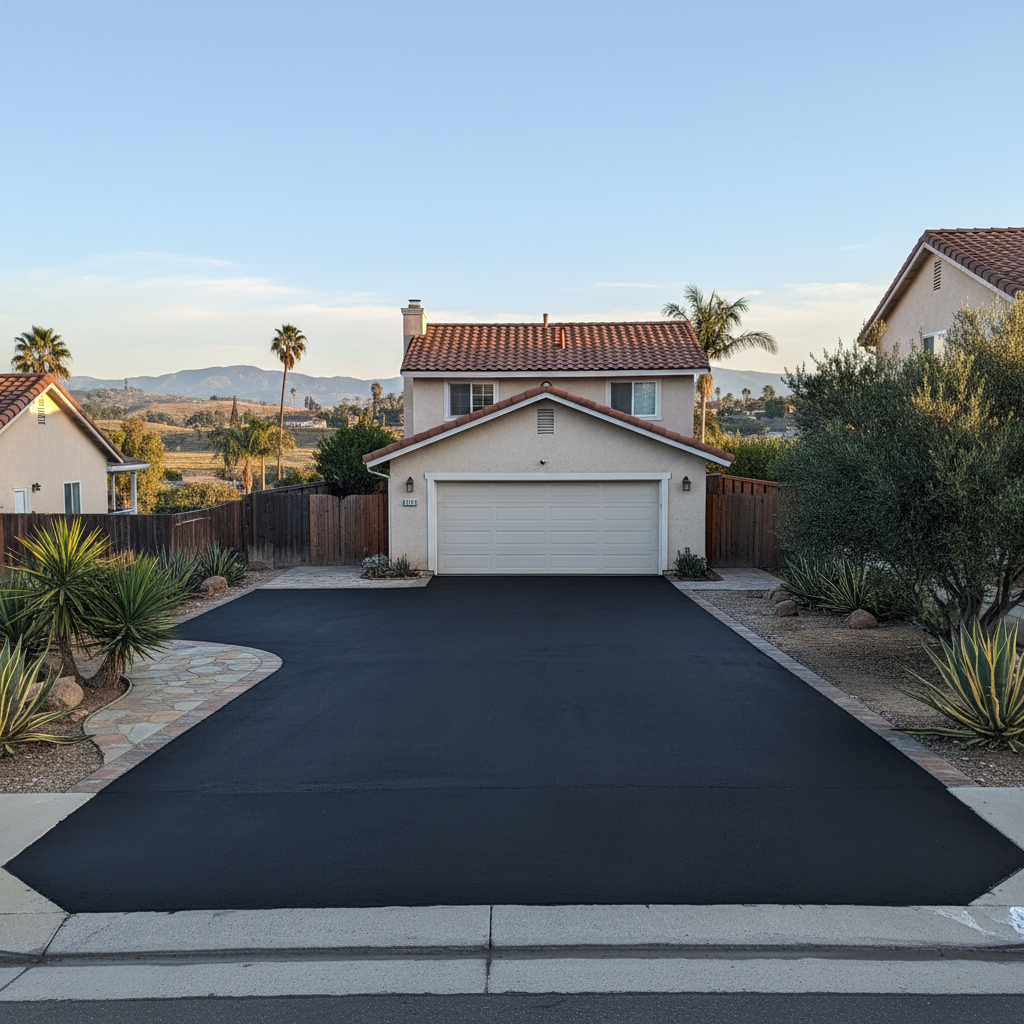
So, you've got this asphalt driveway, right? It's still pretty good, but maybe it's looking a bit dull, or you're starting to see a few tiny cracks. Naturally, you think, "Time for sealcoating!" And that's a good thought, honestly. Sealcoating definitely protects your asphalt from that brutal LA sun, keeps it looking sharp, and can make it last longer. But, you know, I've seen way too many folks – whether they're in the Valley or down near the beach – mess up some basic things. And those mistakes? They often end up costing more time, money, and frustration than anyone expects.
Mistake #1: Taking the Cheapest Bid Without Asking Questions
This is probably the biggest one, hands down. Everybody wants a good deal; I totally get it. But when it comes to sealcoating, that super-low bid usually means someone's cutting corners. You might get a flyer on your door, or a knock, and someone offers to do your whole driveway for what seems like an unbelievable price. What are they actually using? How many coats will they put down? Are they even cleaning the surface properly? A lot of these fly-by-night crews use watered-down stuff that won't last six months in our intense LA heat. They're in and out, and then you're stuck with a job that peels, fades, or just doesn't protect your asphalt at all. You need to ask for specifics: what brand of sealer, how many gallons per square foot, and how many coats. If they can't answer clearly, or they get defensive, that's a huge red flag, wouldn't you say?
Mistake #2: Not Understanding the Prep Work Involved
Sealcoating isn't just about slopping some black stuff onto your driveway. The quality of the whole job is, like, 90% in the prep work. If the surface isn't clean, if oil stains aren't treated, or if cracks aren't filled right, that sealer won't stick. It'll just peel, flake, and look terrible in no time. I've seen guys just blow off a driveway with a leaf blower and call it "clean." That's simply not good enough. Your contractor should be sweeping, power washing, and treating any oil spots with a primer or degreaser. Cracks need to be cleaned out and filled with hot rubberized crack filler before any sealer even touches the ground. If they skip these steps, you're honestly just throwing money away.
Mistake #3: Picking the Wrong Time of Year (Yes, Even in LA)
You might think, "It's always sunny in LA, so any day is fine for sealcoating." Not exactly. While we don't have harsh winters like other parts of the country, we definitely have temperature swings and the occasional rain. Sealcoat needs specific conditions to cure correctly. It needs warm, dry weather, usually above 50 degrees Fahrenheit, and no rain in the forecast for at least 24-48 hours after they put it down. Trying to sealcoat when it's too cool, too humid, or right before a surprise drizzle means the sealer won't bond properly. It'll track, wear unevenly, and just won't do its job. We often suggest doing it in the late spring or early fall. That's when the days are consistently warm but not scorching, and that marine layer isn't hanging around all morning.
Mistake #4: Not Asking About Warranties or Guarantees
A good, reputable contractor, like us at Pioneer Asphalt Co, stands behind their work. If someone is confident in their materials and their crew, they'll offer some kind of warranty on their sealcoating. It might be for a year, sometimes more, covering things like premature peeling or excessive fading because of how it was applied. If a contractor seems hesitant to offer any guarantee, or their "warranty" sounds really vague, that's a sign they might not be around if something goes wrong. Get it in writing, always. This protects you if the job isn't up to snuff.
Mistake #5: Expecting Sealcoat to Fix Major Damage
Sealcoat is a protective layer, sure, and it makes your asphalt look nice. But it's not some magic cure for potholes, alligator cracking, or drainage problems. If your driveway has serious structural damage, big cracks, or areas that are crumbling, sealcoating over them is like trying to put a band-aid on a broken leg. You need proper asphalt repair first. A good contractor will check out your driveway and tell you if it needs more than just sealcoating. They'll recommend patching, crack filling, or even sections of paving before they even think about sealing. Don't let someone convince you that sealcoat will "fix" major problems; it won't, and you'll just end up disappointed.
Look, sealcoating is a smart investment for your property. Just make sure you're doing it the right way. Do your homework, ask some tough questions, and don't let a low price be the only thing that guides your decision. Your asphalt will definitely thank you for it.