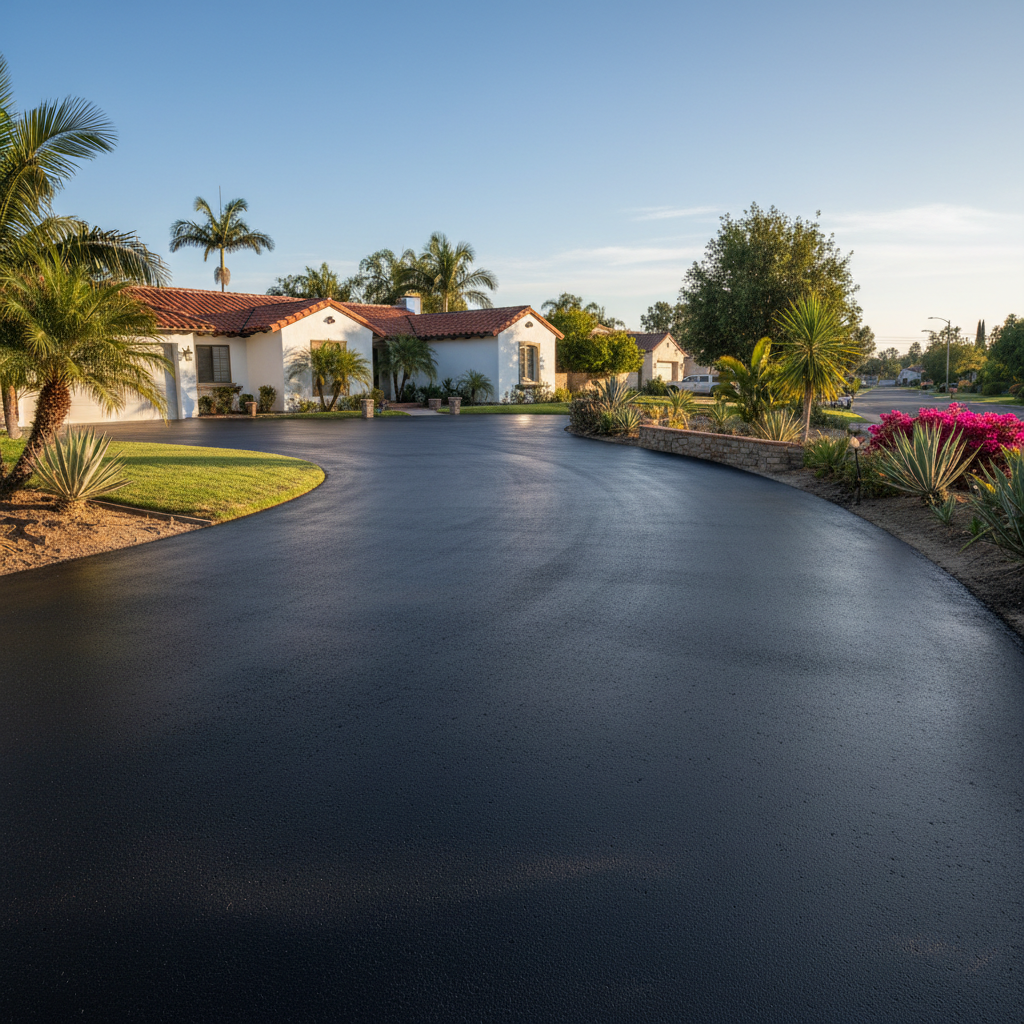
So, you've just had your asphalt sealcoated, or maybe you're thinking about it. Good move. Sealcoating is one of the best things you can do to protect your driveway or parking lot from the harsh Los Angeles sun and the constant wear and tear. But it's not a 'set it and forget it' kind of deal. To really get the most out of that fresh black top, you've got to give it a little love. I've been doing this for years with Pioneer Asphalt Co, and I've seen firsthand what works and what doesn't.
Extending Your Sealcoat's Life: It's All About Protection
The biggest enemy of your sealcoat, especially here in LA, is the sun. We get a lot of it, and that UV radiation bakes away the protective oils in the asphalt, making it brittle and prone to cracking. Water is another big one, especially when it gets into those tiny cracks and expands with temperature changes, though we don't get as much freezing here as other places. Heavy traffic and oil spills? They're no friends either.
Here's how you can fight back:
- Keep it Clean: Sounds simple, right? But dirt, debris, and especially leaves can hold moisture against the surface. Sweep or blow off your asphalt regularly. Don't let puddles sit for days after a rain.
- Watch for Spills: Oil, gas, antifreeze – these things eat away at asphalt. If you see a spill, clean it up immediately. Use an absorbent material like cat litter, sweep it up, and then scrub the spot with a stiff brush and a mild detergent. Rinse thoroughly. Don't let it sit and soak in.
- Limit Heavy Loads: If you can, avoid parking heavy trucks or RVs on your newly sealcoated surface for extended periods. The weight can cause indentations or cracking, especially when it's hot.
- Mind Your Edges: The edges of your asphalt are often the most vulnerable. Keep them clear of vegetation. Tree roots can wreak havoc, pushing up and cracking the pavement from underneath.
Regular Maintenance: Your Pavement's Check-up
Think of your sealcoat like a fresh coat of paint on your house. It needs a little upkeep to stay looking good and doing its job. Regular maintenance isn't just about cleaning; it's about being proactive.
Every few months, especially after a period of heavy use or a rare LA downpour, take a walk around your asphalt. Look for anything out of the ordinary. Are there new cracks? Is the color fading unevenly? Are there soft spots? Catching these things early can save you a lot of money down the line.
Another thing to consider is landscaping. Make sure sprinklers aren't constantly drenching your asphalt. While sealcoat helps with water resistance, constant saturation isn't good for the underlying base. Also, if you have any plants or trees growing too close, trim them back. Their roots are powerful and can lift or crack your pavement over time, especially in areas with expansive clay soils like we see in parts of the Valley.
Warning Signs: When Your Sealcoat is Crying for Help
Your asphalt will tell you when it needs attention. You just have to know what to look for. Don't ignore these signs:
- Fading Color: If your rich black sealcoat is starting to look dull gray, it's a clear sign the sun has done its work and the protective layer is wearing thin. It's not just cosmetic; the asphalt underneath is now exposed.
- Hairline Cracks: Small, spiderweb-like cracks are usually the first sign of surface deterioration. These aren't deep structural cracks yet, but they're pathways for water to get in and cause bigger problems.
- Potholes or Depressions: These indicate a more serious issue, usually with the base layer beneath the asphalt. While sealcoat protects the surface, it can't fix a failing foundation. You'll need more than just a new coat if you see these.
- Loose Aggregate: If you're seeing small stones or gravel coming loose from the surface, your sealcoat is definitely failing, and the asphalt itself is starting to break down.
- Soft Spots: Areas that feel spongy or soft when you walk or drive over them mean the asphalt is losing its integrity, possibly due to water damage underneath.
When to Call a Professional: Don't DIY Everything
You can handle the sweeping and the spill cleanup, but some jobs are best left to the pros. If you see any of those warning signs I just mentioned, especially cracks wider than a quarter-inch, potholes, or significant deterioration, it's time to call someone like us at Pioneer Asphalt Co.
Generally, most asphalt surfaces in residential settings benefit from sealcoating every 2-3 years. Commercial properties with heavier traffic might need it every 1-2 years. But that's just a guideline. The best way to know is to have a professional take a look. We can assess the condition of your asphalt, consider the LA climate, your specific traffic patterns, and tell you exactly what it needs, whether it's just another sealcoat or something more extensive like crack filling or patching before we even think about sealing.
Don't wait until a small crack turns into a huge pothole. Proactive maintenance and timely repairs will save you money and headaches in the long run, keeping your asphalt looking good and performing well for years to come.